
David T. Darling (1880 - 1964)
David T. Darling (1880–1964) was an American artist whose distinctive Water-Graphs combined the fluidity of watercolor with the precision and decorative qualities of stencil-based design. His compositions reflect the influence of Art Deco and early American modernism, with stylized figures, landscapes, and natural subjects rendered in flowing lines and carefully balanced colors.
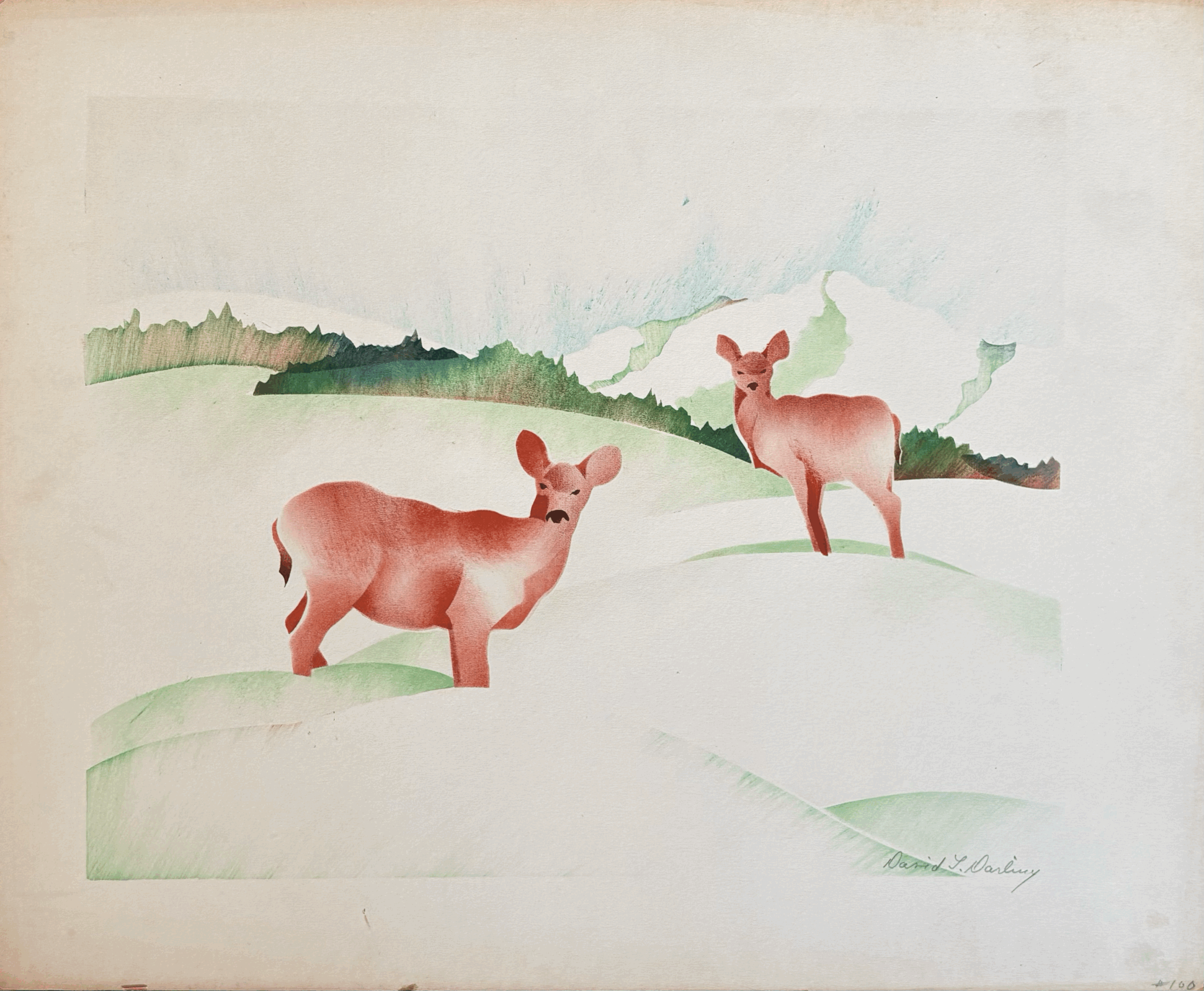
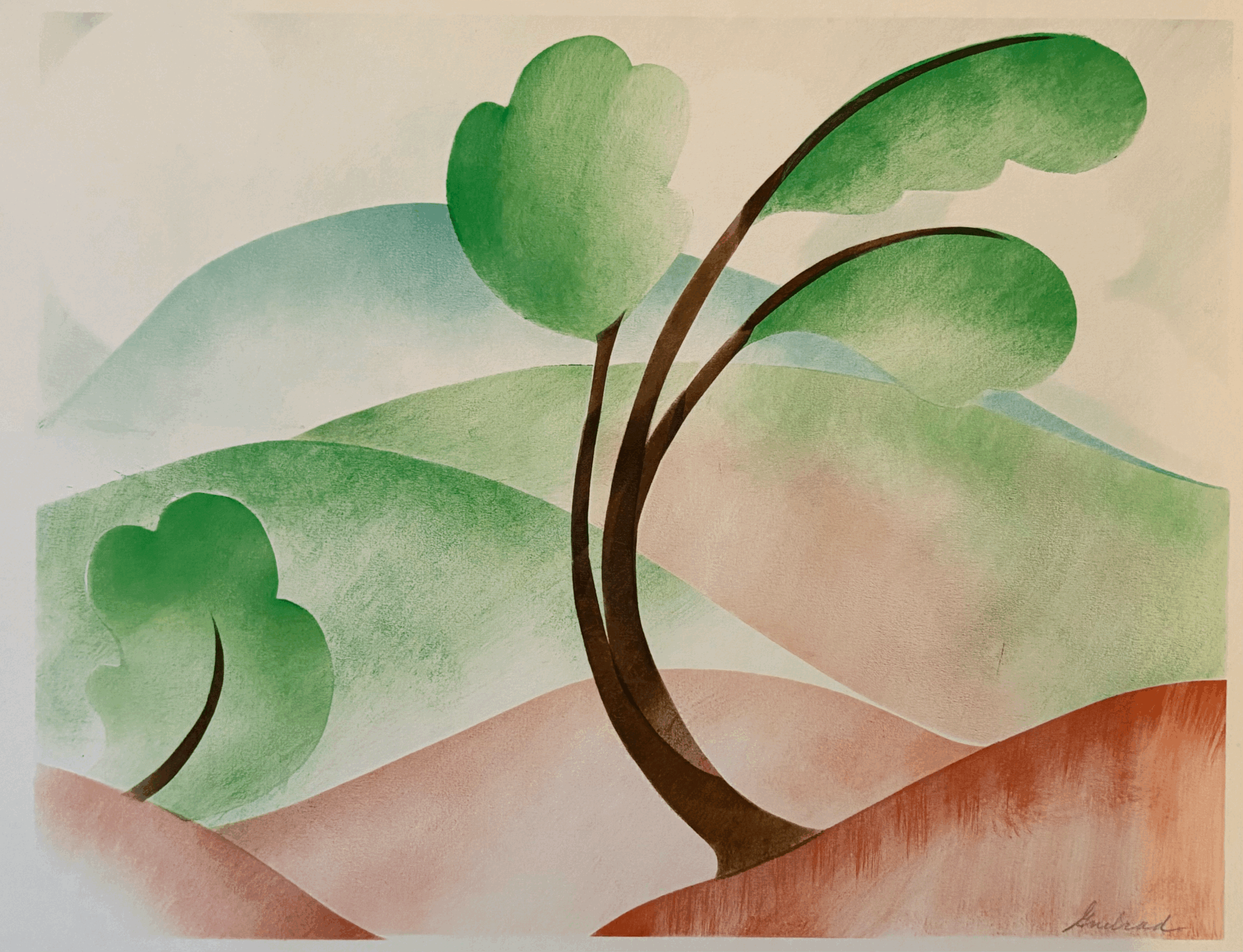
Printed & Painted is pleased to present a selection of Darling's Water-Graphs, dating to approximately 1930, offering a glimpse into his inventive approach to color, form, and artistic technique.
David T. Darling and the Art of the Water-Graph
David T. Darling (1880–1964) developed a distinctive artistic approach known as the Water-Graph, combining watercolor with stencil-based methods to create compositions characterized by defined contours, subtle tonal transitions, and decorative patterns.
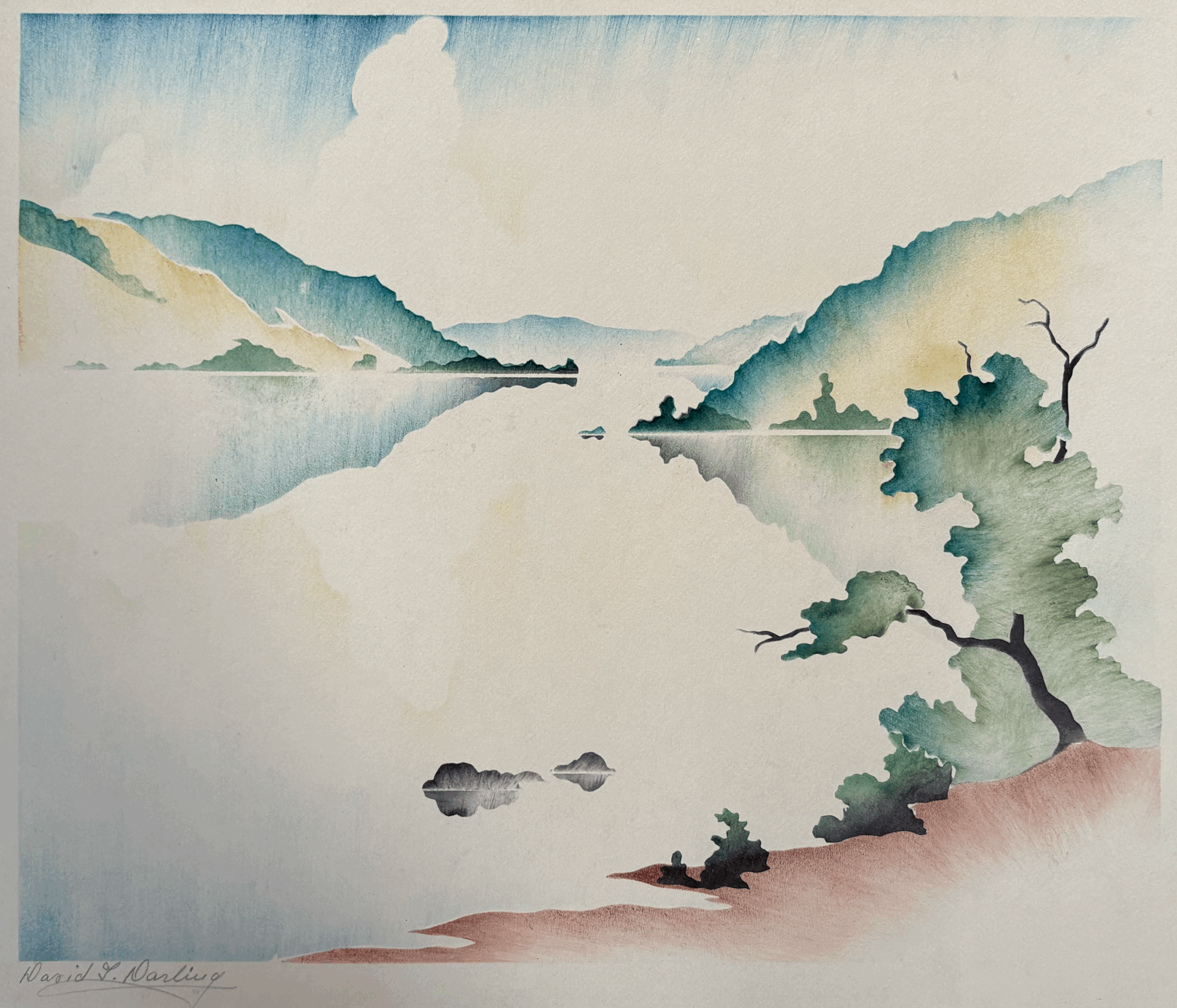
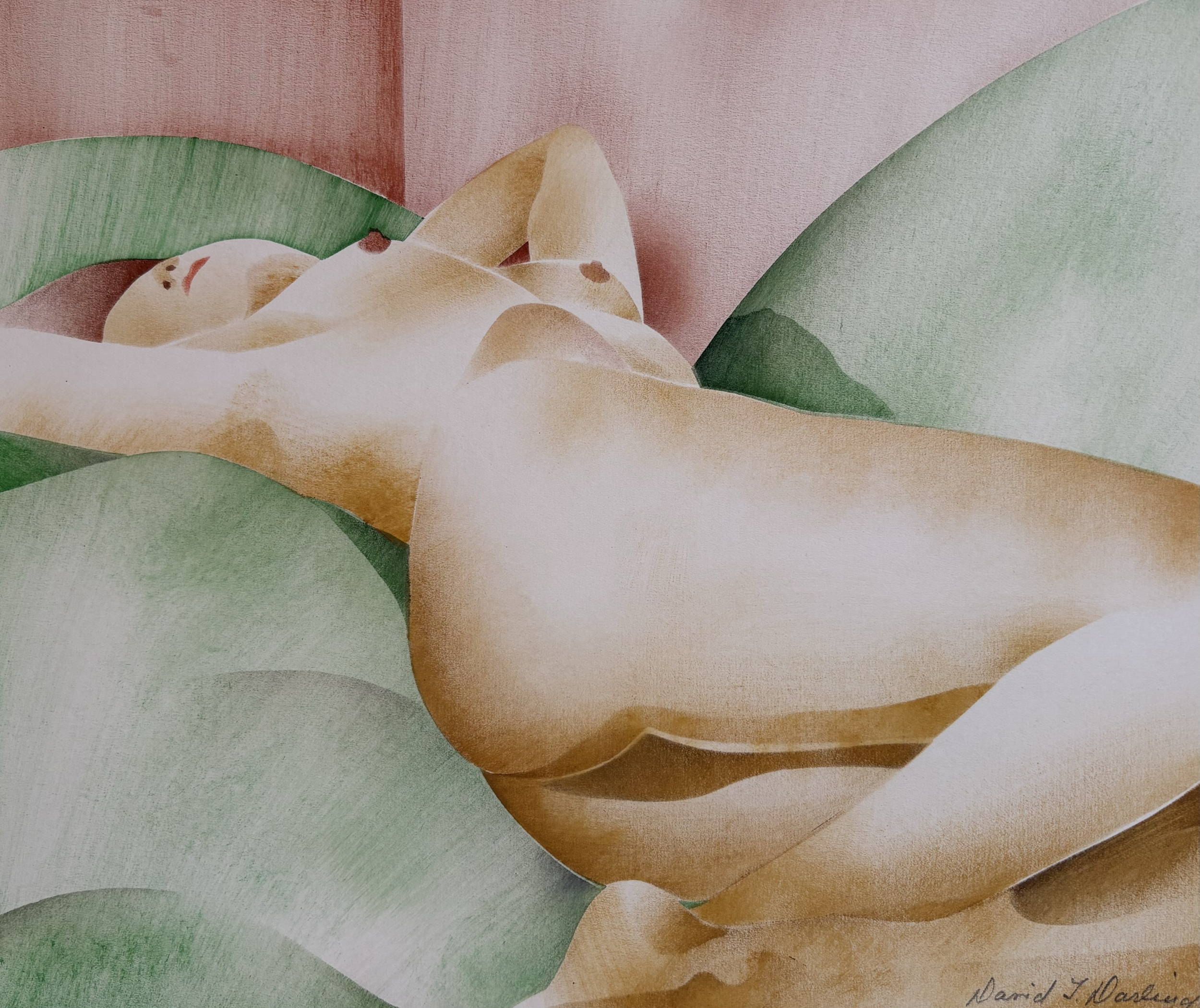
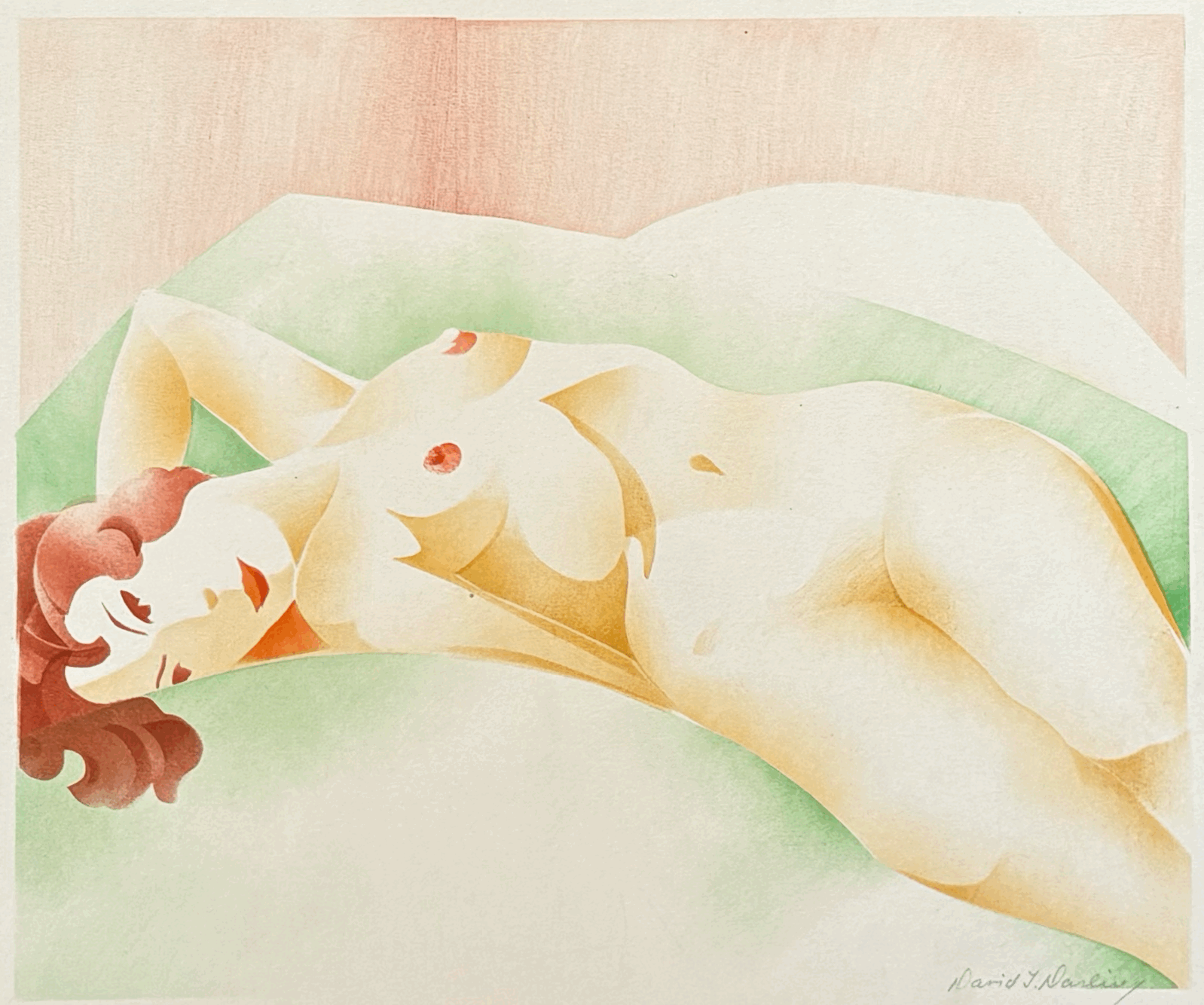
The technique was particularly well suited to the visual language of the Art Deco period. Darling's subjects ranged from reclining figures and wildlife to underwater scenes and landscapes, but his approach remained remarkably consistent: simplified forms, rhythmic lines, and a careful balance of color and space.
His work occupies an intriguing place between traditional watercolor painting, graphic design, and American modernism. The Water-Graphs possess the immediacy and delicacy of works on paper while demonstrating a distinctly modern interest in stylization and pattern.
Whether depicting the human figure or the natural world, Darling transformed familiar subjects into elegant decorative compositions. His work reveals an artist interested not simply in representation, but in the expressive possibilities of shape, color, and rhythm.
Today, Darling's Water-Graphs offer an opportunity to rediscover an artist whose inventive technique and distinctive visual language deserve renewed attention.
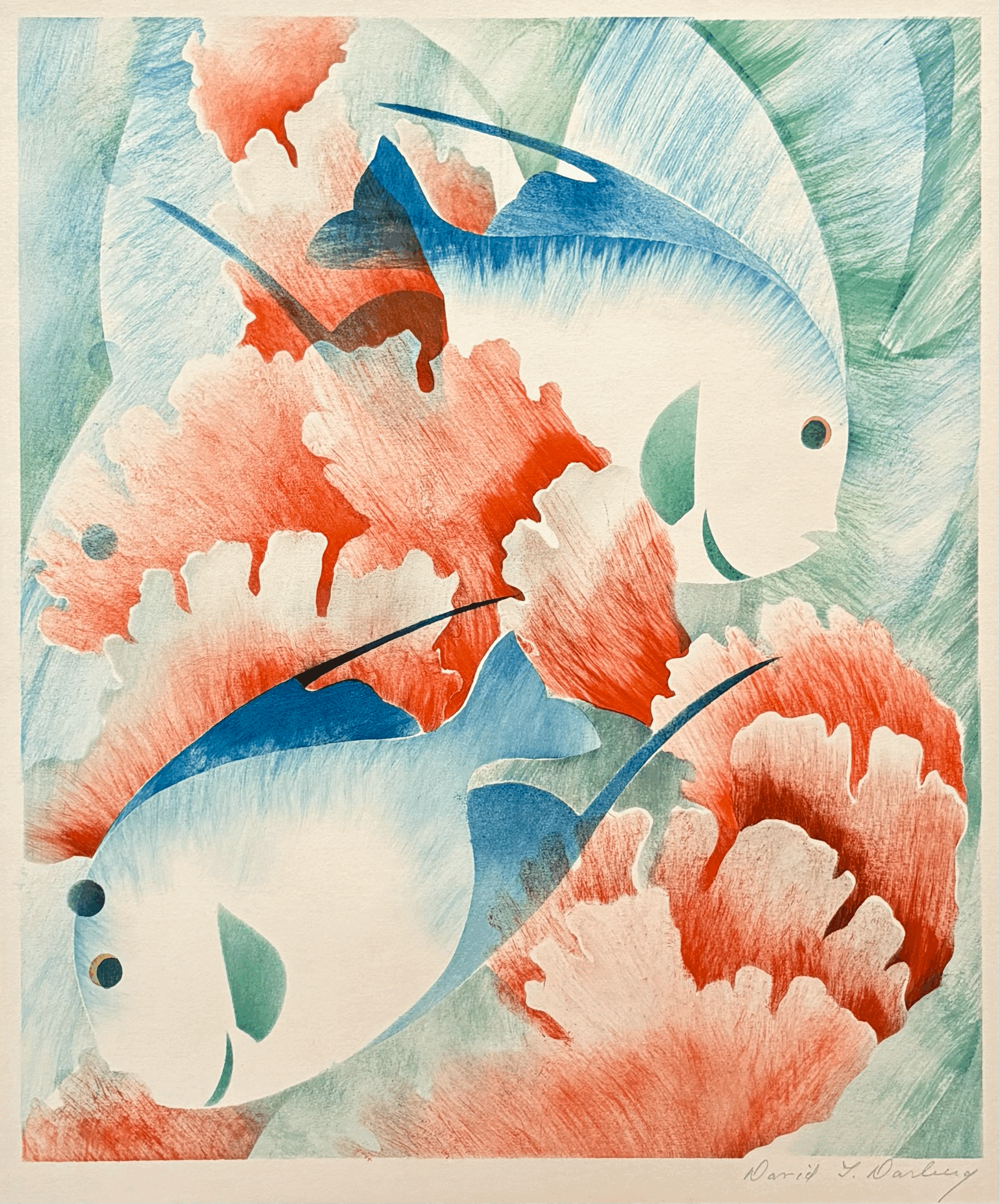
Angel Fish
David T. Darling (1880–1964)
Circa 1930
Water-Graph (watercolor using a proprietary stencil process)
13.5 × 17 inches
On paper
In Angel Fish, David T. Darling transforms an underwater scene into a vibrant Art Deco composition. A boldly patterned angelfish moves among branching coral and stylized aquatic forms, its cool blue-green coloration contrasting with the brilliant oranges and warm tones of the surrounding marine life.
Darling's distinctive Water-Graph technique gives the composition its characteristic combination of sharply defined shapes, translucent color, and decorative patterning. The simplified forms and rhythmic arrangement reflect the influence of modernist design, lending the scene an almost graphic quality while retaining the delicacy of watercolor.
Unlike the descriptive titles assigned to other works in this collection, Angel Fish is the artist's original title.
Condition: Vintage condition with visible age-related toning and minor surface wear. The colors remain vibrant, and the composition presents well.